Built by Humans, Powered by What’s Next
A forward-looking perspective on AI in construction, focusing on empowering people, increasing productivity, and driving growth rather than replacing the workforce.

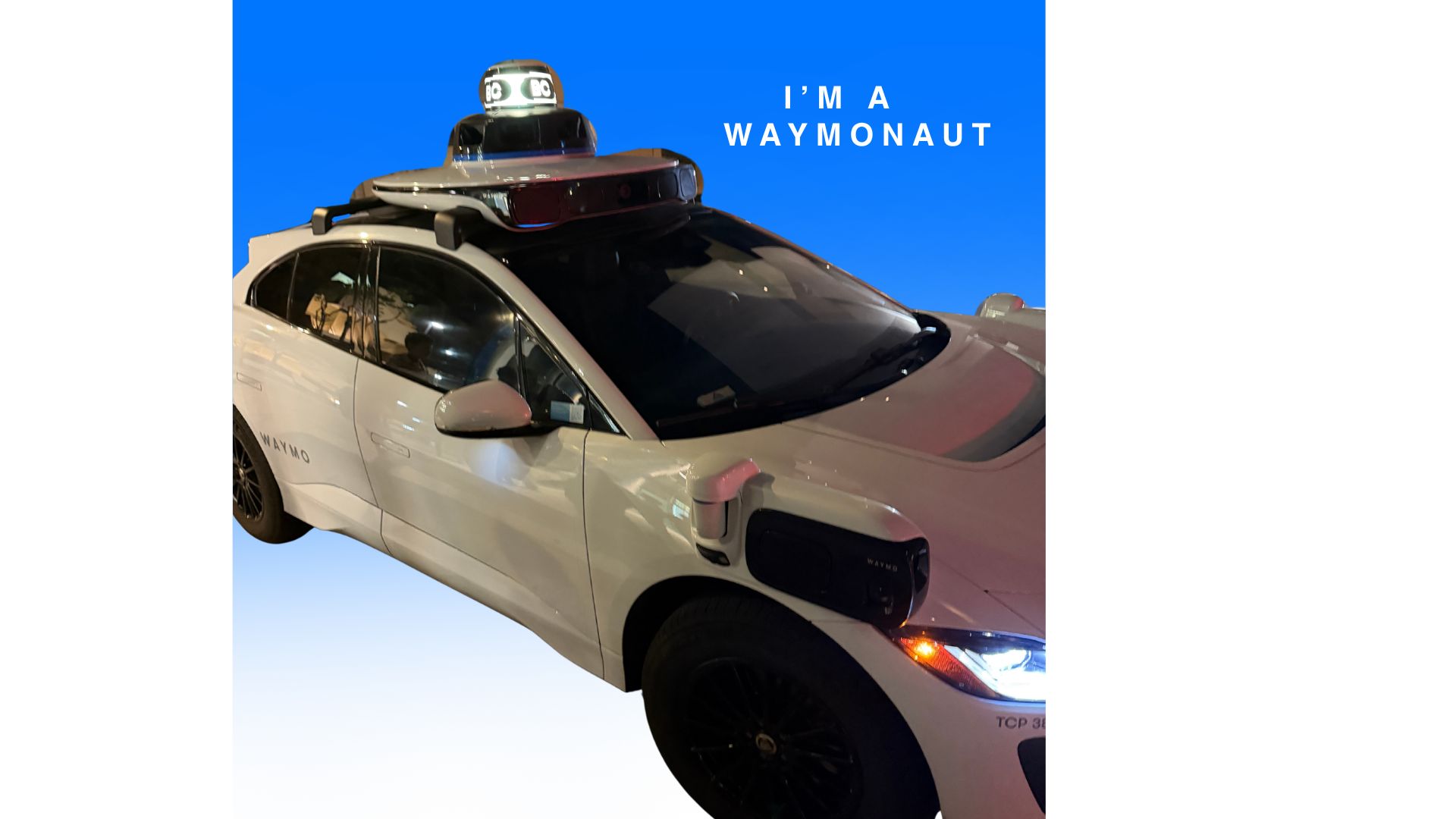
I took a Waymo ride recently and every time I do it reinforces the same thought. This technology is real. It works. And it’s moving quickly.
Experiencing the car navigate traffic, pedestrians, cyclists, and busy streets with total composure is honestly impressive. No hesitation. No distractions. Just steady, confident driving. You start to realize this isn’t a science project anymore. It’s a real transportation system operating in the wild.

What stands out about Waymo compared to the other autonomous efforts out there is how mature the technology feels. The vehicle understands the environment around it in a remarkably detailed way and reacts with a level of patience and awareness that most human drivers struggle to maintain. That matters because most accidents today come down to human error. Technology like this has the potential to make our roads dramatically safer.
But the impact goes well beyond safety.
As autonomous systems like Waymo scale, they can fundamentally change the economics of transportation. Fewer privately owned cars. Less time spent searching for parking. Lower transportation costs for families who no longer need to own multiple vehicles.
Cities will feel it too. Airports, office buildings, and urban developments have historically required massive structured parking investments. If autonomous fleets are constantly moving and serving riders instead of sitting idle in garages, the need for all that parking infrastructure starts to shrink. That frees up land, reduces construction costs, and opens the door to smarter urban design.
The more you experience Waymo firsthand, the clearer it becomes. Autonomous transportation isn’t a distant idea anymore.
It’s here. And Waymo is leading the way.

.svg)
.svg)
.svg)
.svg)
.svg)


.svg)


.avif)